EMDR Therapy
-
Overview
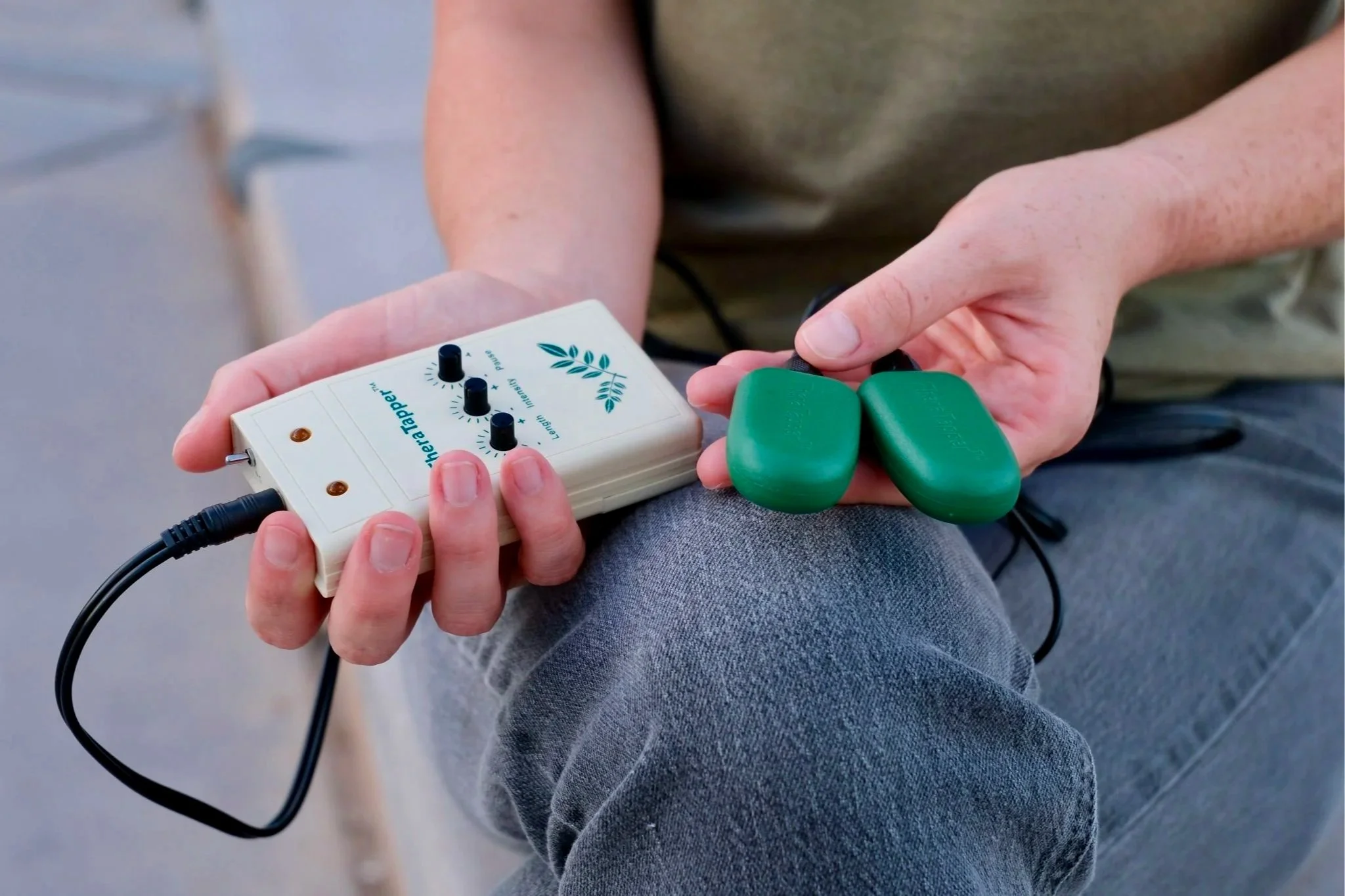
Eye Movement Desensitization and Reprocessing (EMDR) is a research-backed therapeutic approach that uses bilateral (left-right) stimulation to support the brain’s natural information-processing system. This process helps unresolved or “stuck” trauma responses shift into more adaptive, grounded, and present-day perspectives.
-
Common Concerns
EMDR therapy can be effective for many concerns, including PTSD and other trauma-related disorders, anxiety disorders, depression, distressing memories and nightmares, and negative self-beliefs.
-
My Approach
In addition to standard 55-minute and 85-minute EMDR sessions, I offer 5-hour, 6-hour, and 8-hour trauma intensives for individuals who want to make significant therapeutic progress in a shorter period of time. Alongside EMDR, I incorporate other trauma-related interventions (e.g., Deep Brain Reorienting, parts work, mindfulness) to aid in the healing process.
-
The First Session
In our first session, I’ll review the paperwork and walk you through what to expect in EMDR therapy. EMDR includes eight phases, with the first two focused on history-taking, treatment planning, and building the skills and internal resources you’ll need to navigate the memories, emotions, and sensations that may arise during reprocessing.